


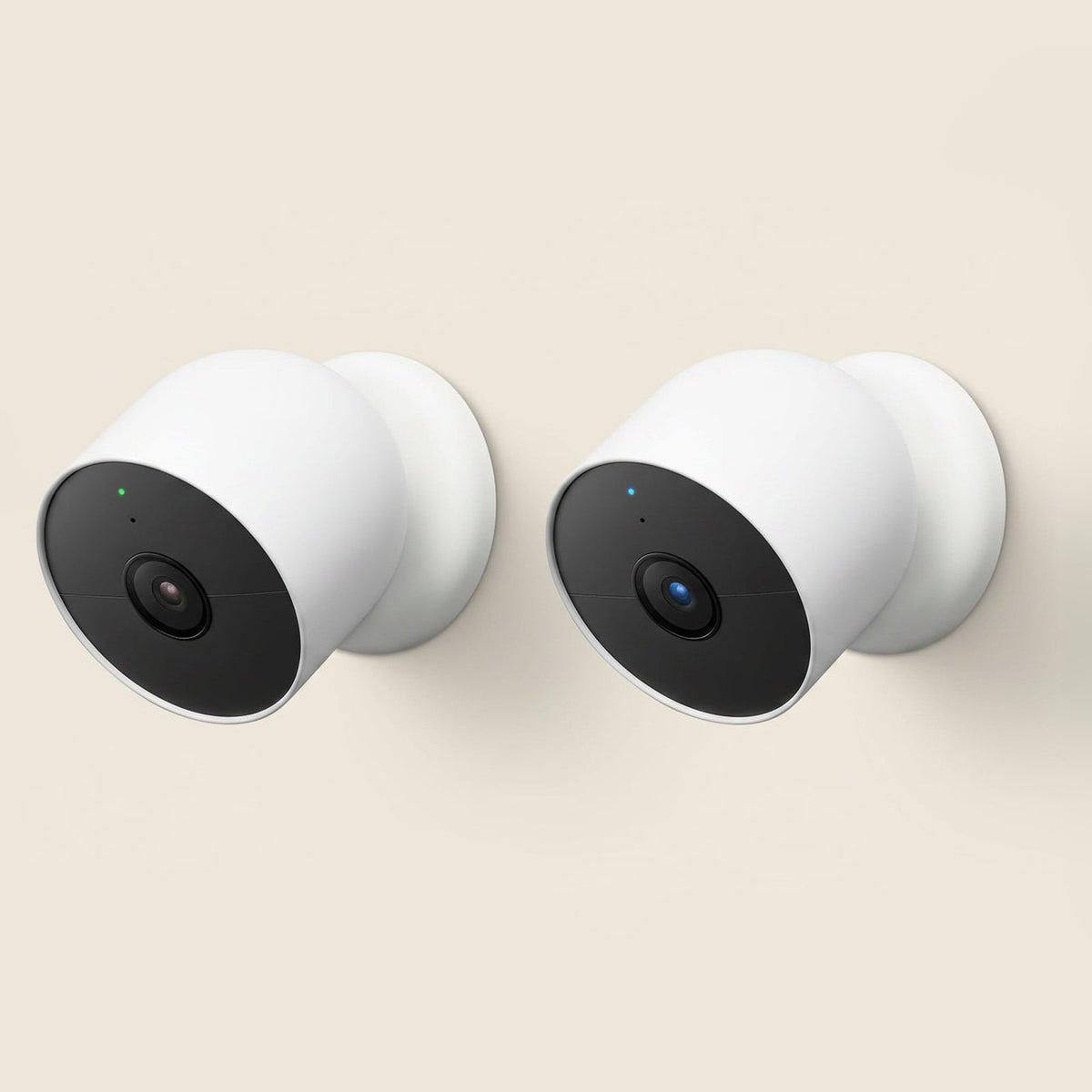
Use cameras for context, not diagnosis
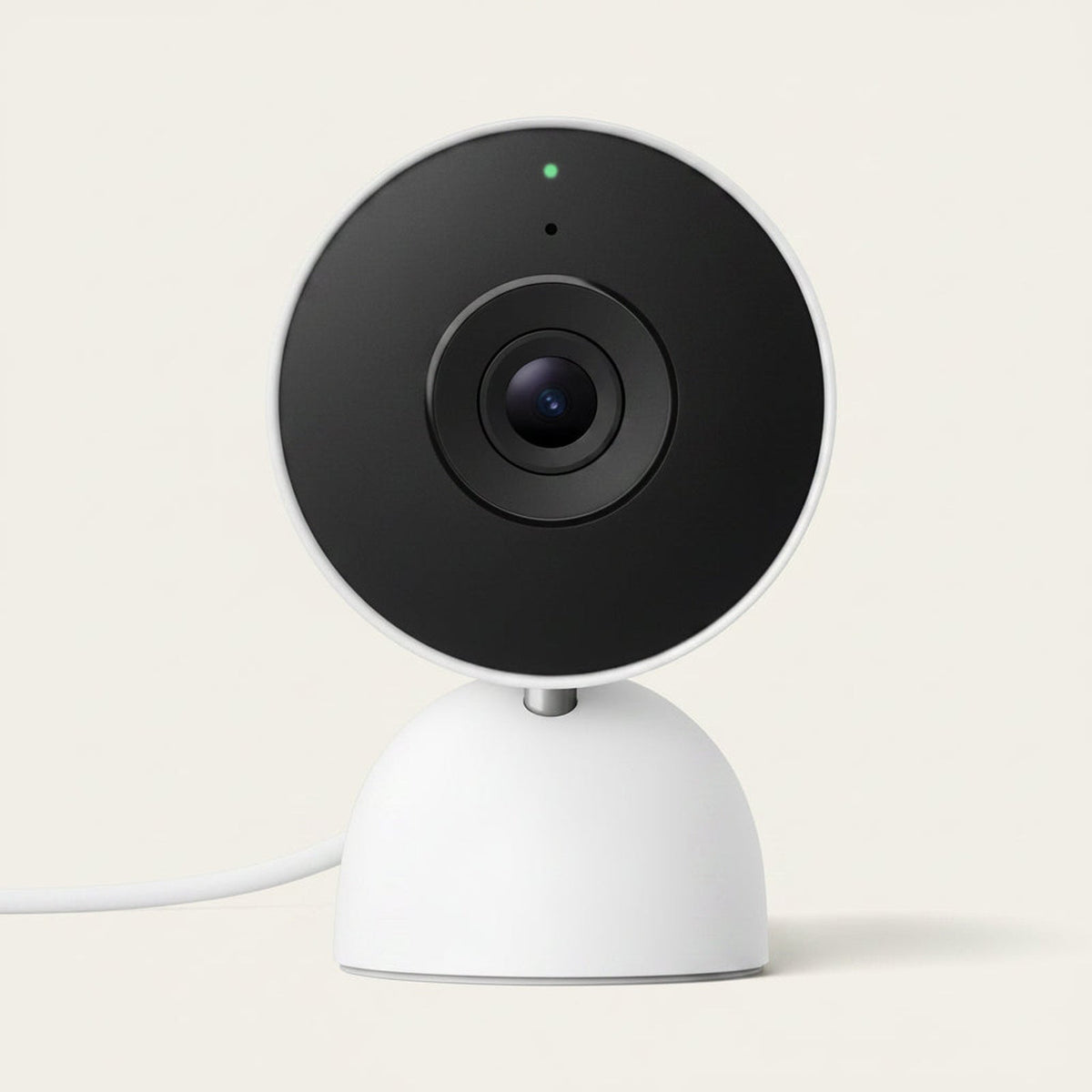
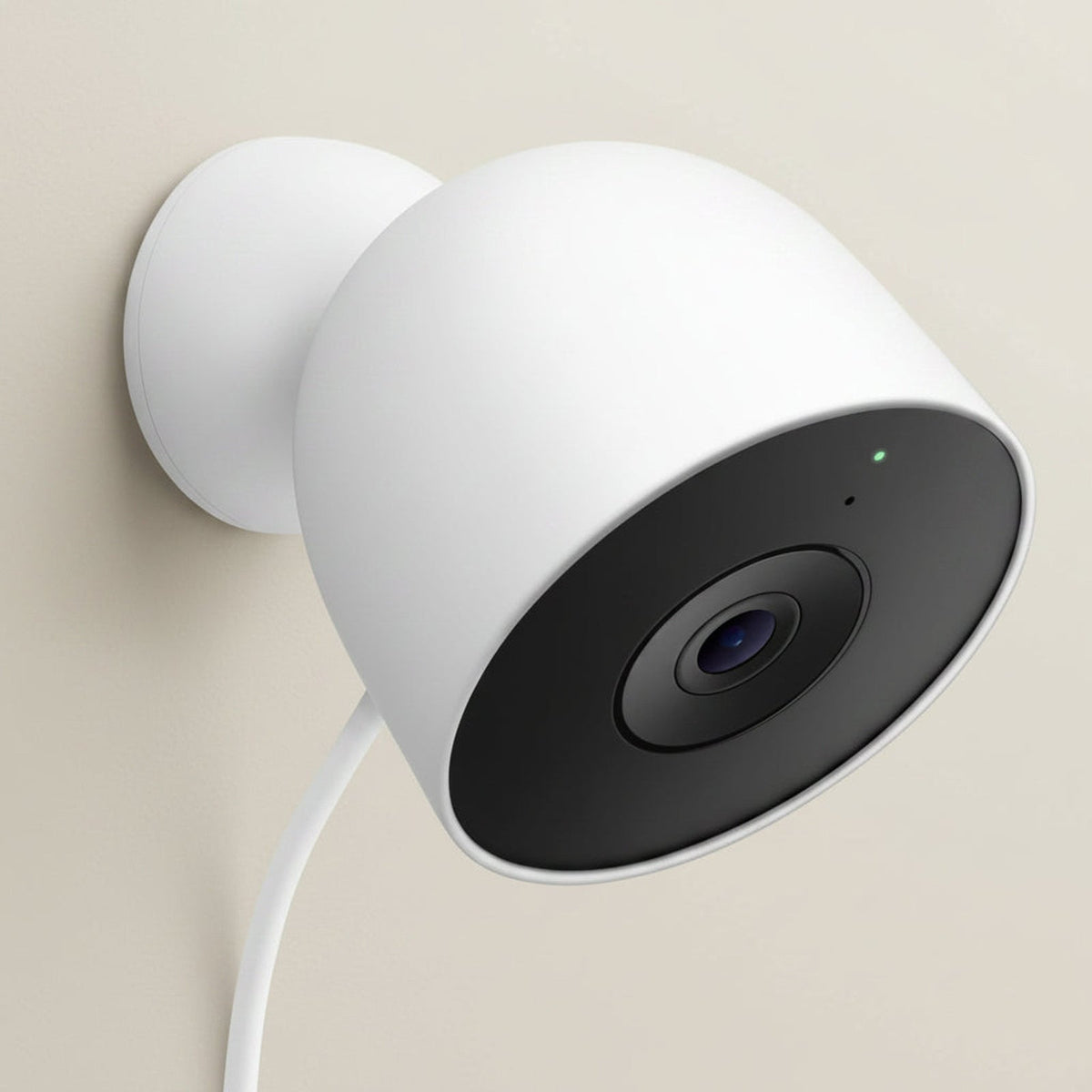
A camera can show activity or help confirm a dog is settled, but it cannot reliably assess pain, neurological change or bladder function.

UK RECOMMENDATIONS
Smart-home products selected to make day-to-day care easier around a dog with IVDD or reduced mobility. The focus is practical: remote check-ins, calmer visitor management, trusted carer access and easier control of the home environment. These devices support routines and supervision; they do not replace hands-on care.
Remote care
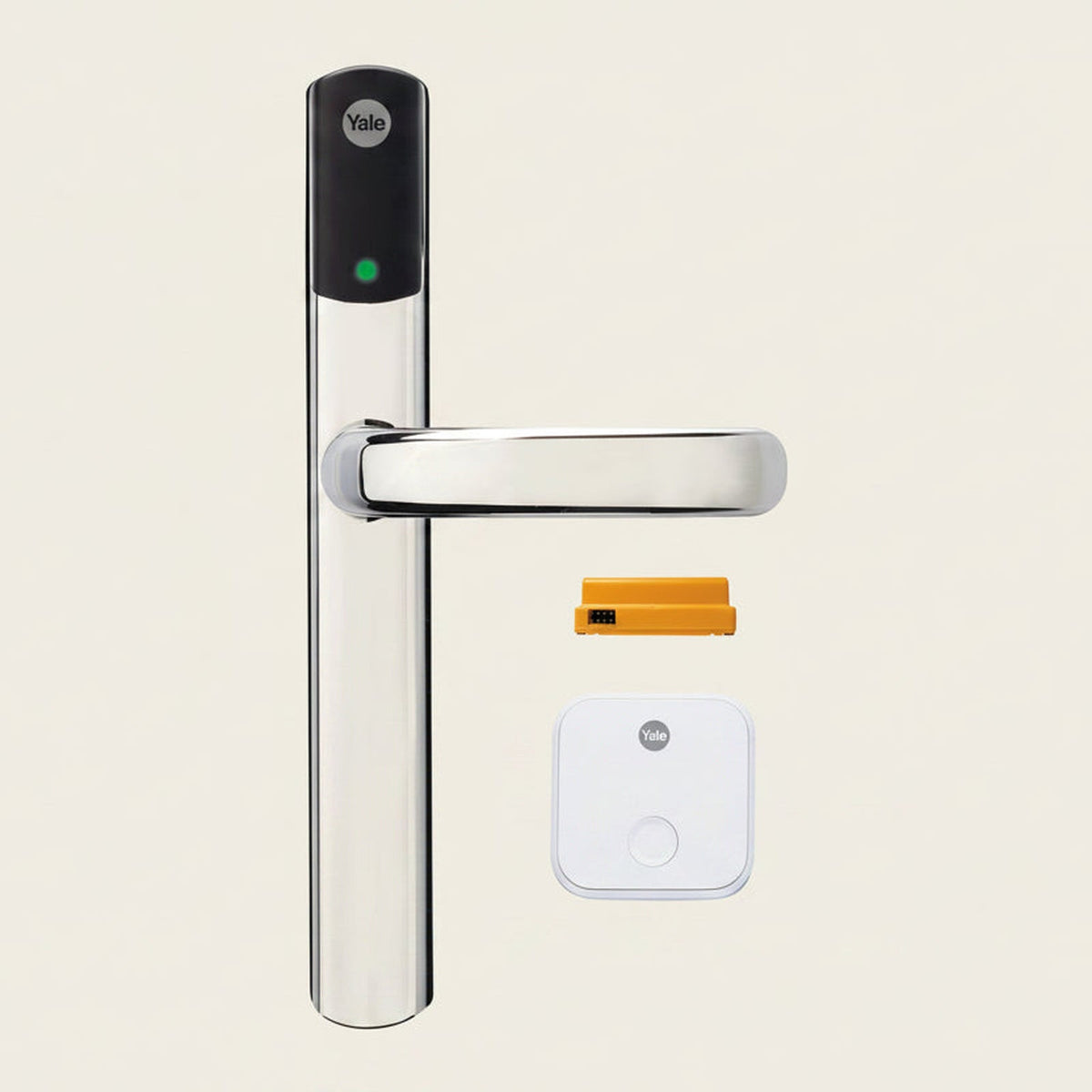
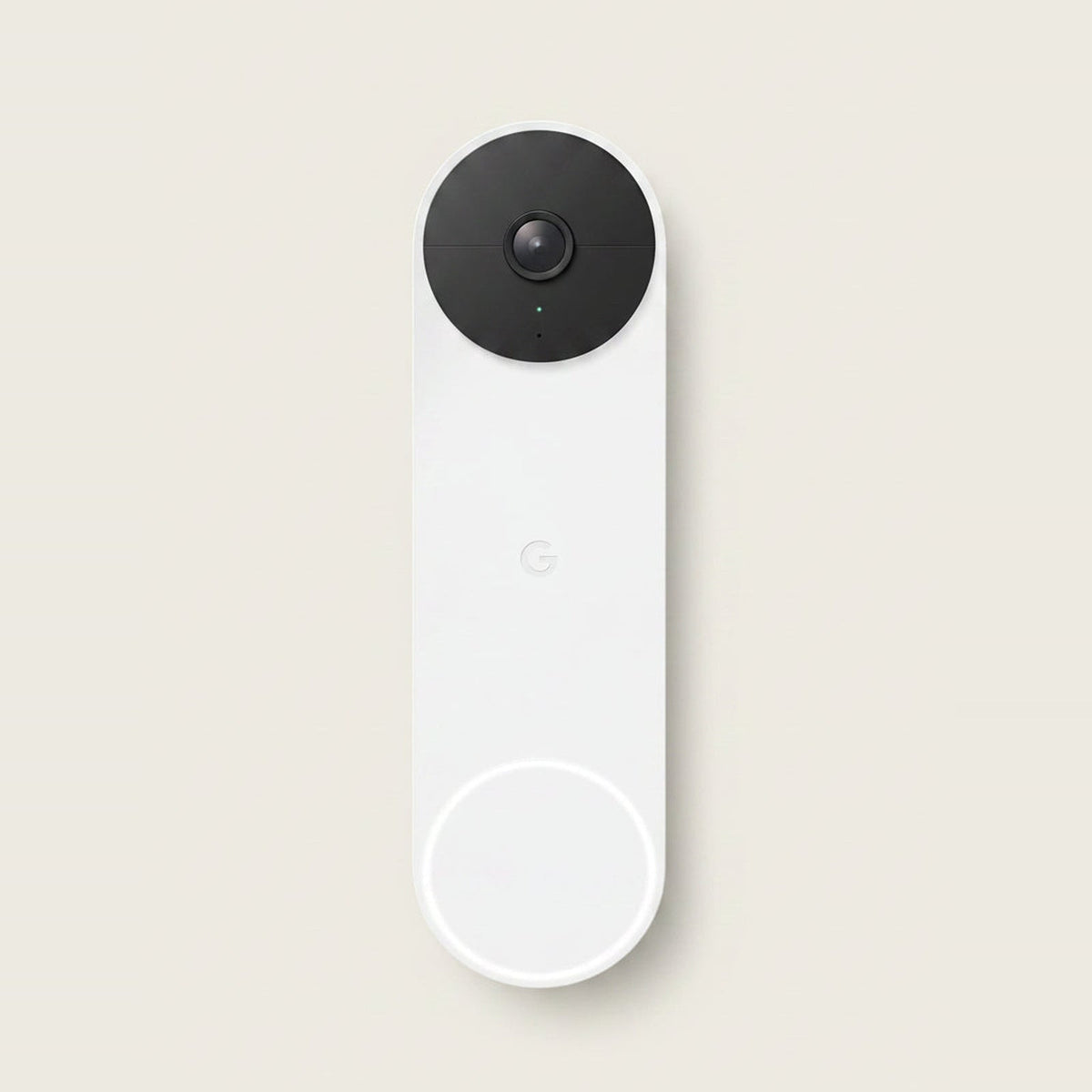
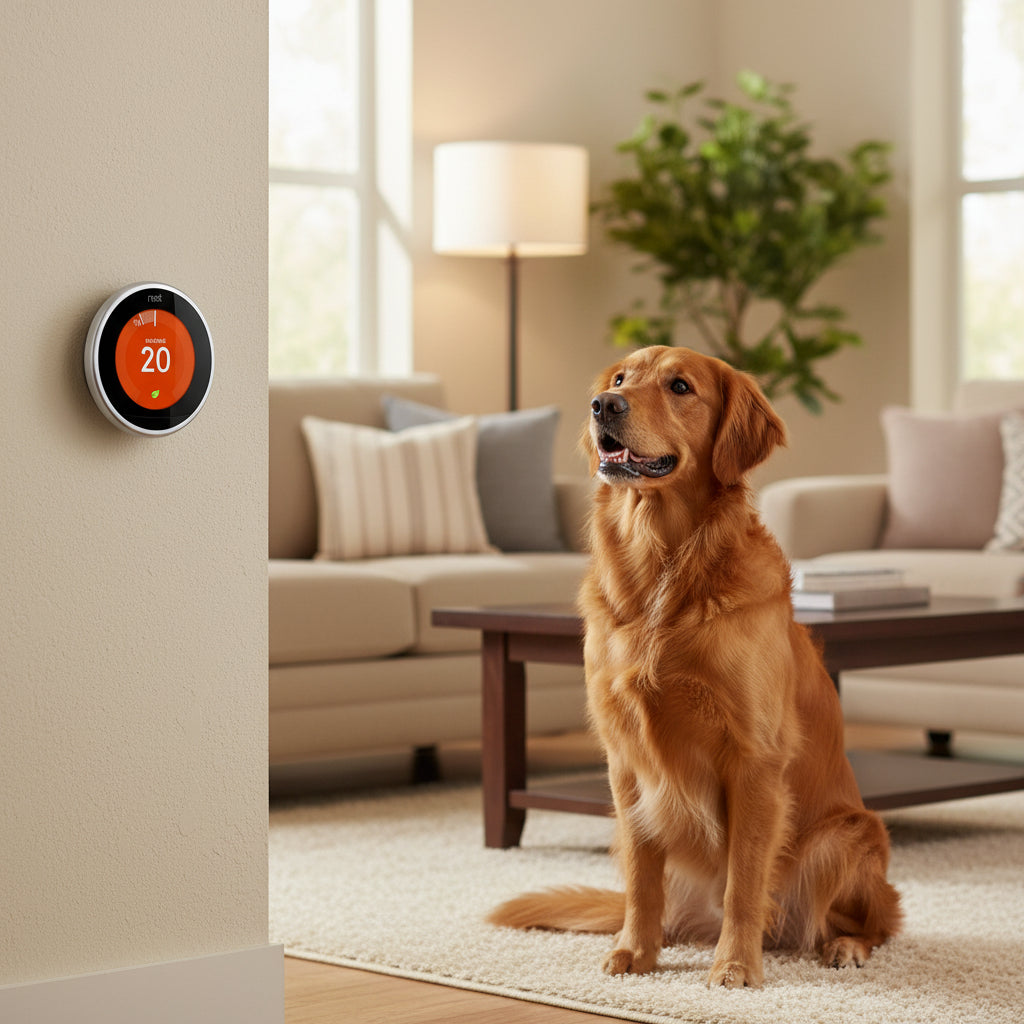
Cameras, door access and temperature controls can make daily routines more manageable when a dog has IVDD or reduced mobility. Their value is practical: easier check-ins, calmer visitor access and better coordination between carers.
A camera can show activity or help confirm a dog is settled, but it cannot reliably assess pain, neurological change or bladder function.
Smart locks can reduce key logistics for trusted carers, but door compatibility, permissions and backup access still matter.
There is no universal “IVDD temperature”. Use heating controls for normal comfort and follow veterinary advice where specific needs exist.