




Plan entry and exit before the journey
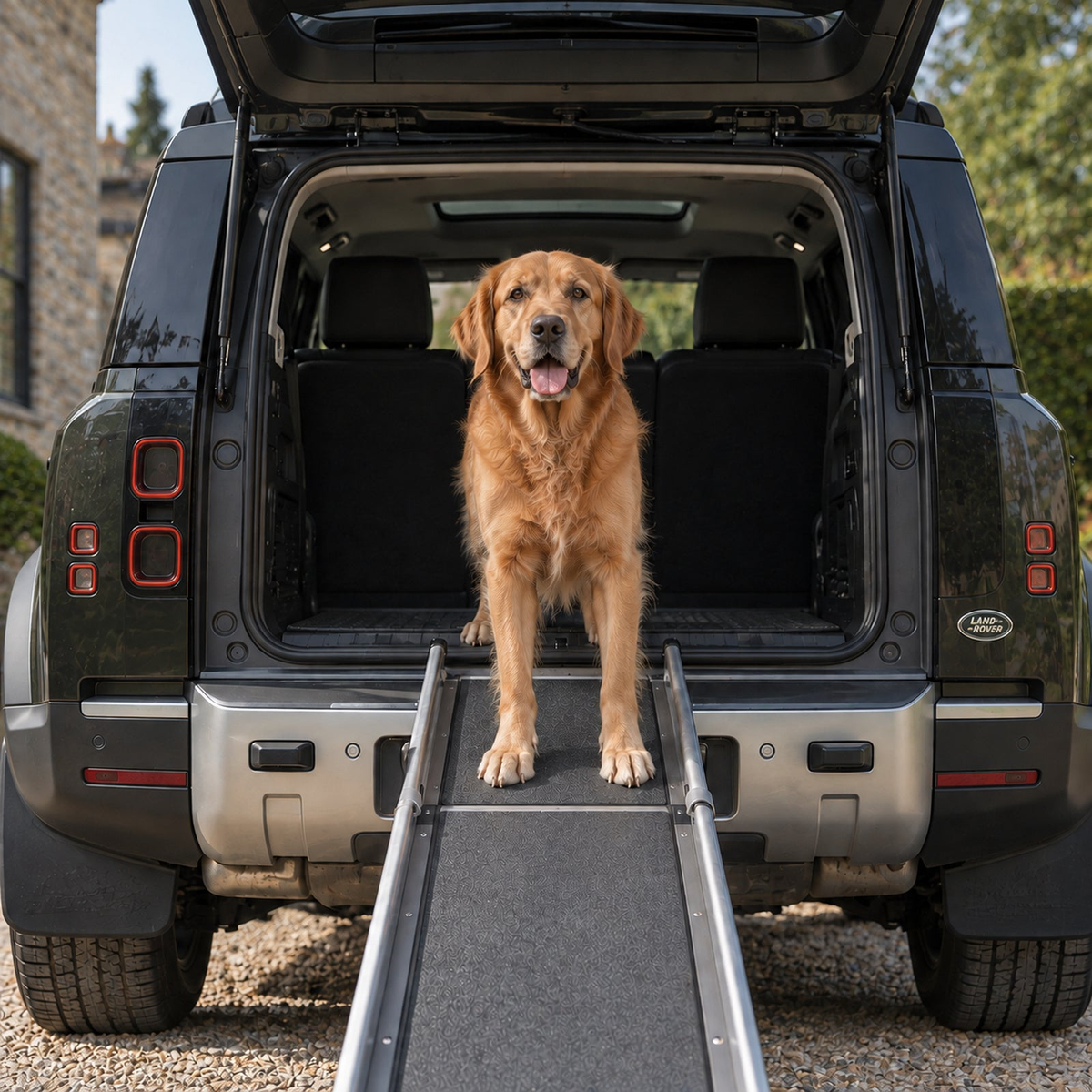
Think about how the dog will move between home, car, clinic and destination without rushed lifting or twisting.

UK RECOMMENDATIONS
Travel with an IVDD dog is usually easier when the setup limits slipping, twisting and unnecessary jumping. This collection brings together car restraints, supportive seats, portable ramps and practical travel organisers for appointments, rehabilitation visits and everyday journeys.
Choose around your dog’s current mobility level and your vehicle. Secure travel equipment properly, use an appropriate restraint, and avoid expecting a car seat or harness to replace veterinary advice about whether travel is appropriate during acute recovery.
Travel decisions
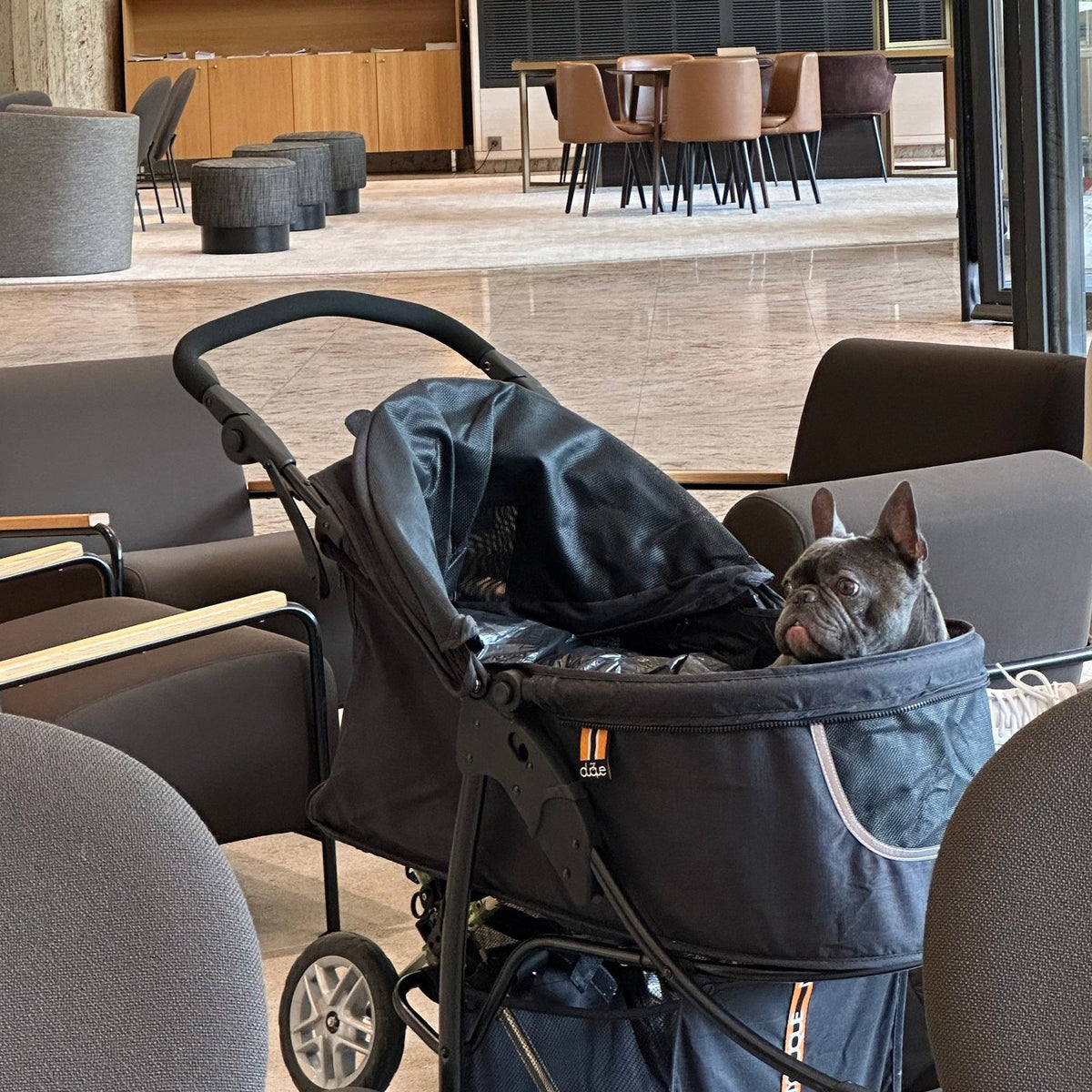
A stroller, car seat, ramp or travel bed solves a different part of the journey. The safest setup is the one that reduces awkward handling and unnecessary jumping while still meeting vehicle-restraint and recovery requirements.
Think about how the dog will move between home, car, clinic and destination without rushed lifting or twisting.
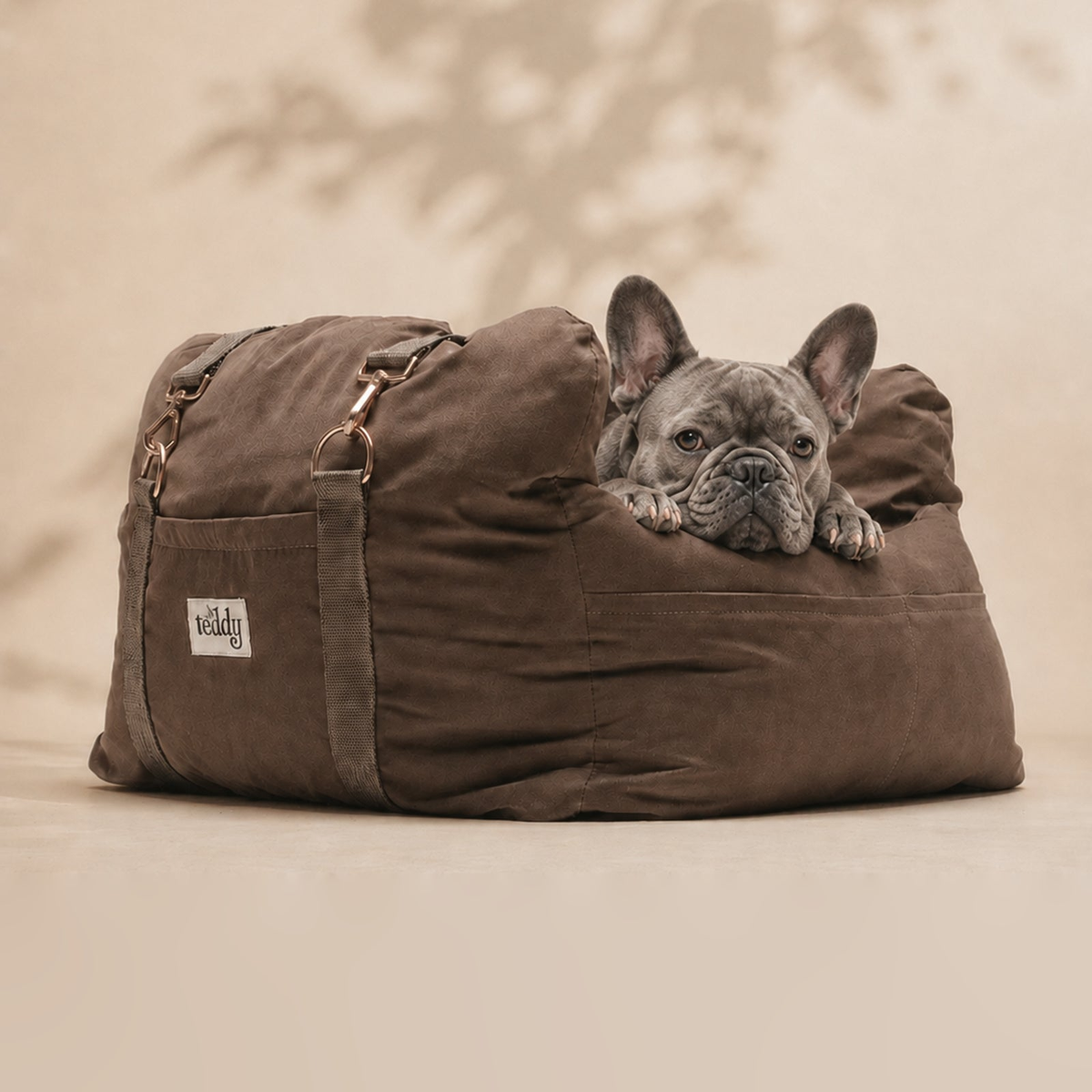
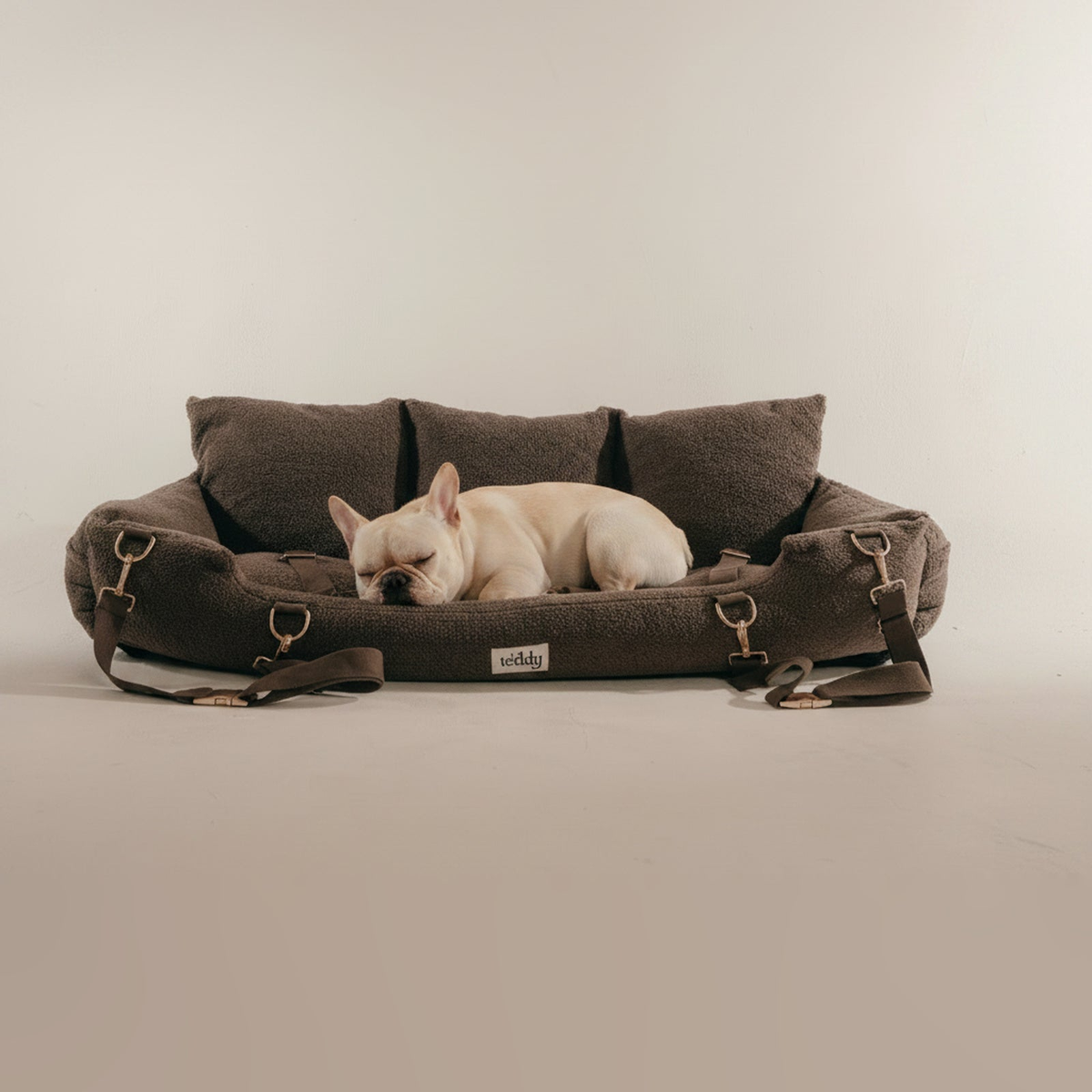
A soft car seat or travel bed may improve comfort, but it should not be treated as a substitute for appropriate vehicle restraint.
During acute recovery, ask the veterinary team whether the journey is appropriate before choosing equipment to make it easier.