


Life After IVDD
Living with IVDD does not mean life stops
After the emergency, diagnosis or surgery, many owners face a different challenge: how to build a safe, enjoyable everyday life around their dog’s individual mobility and spinal needs.
The long-term plan looks different for every dog. The goal is not permanent fear or unnecessary restriction—it is informed, practical support.
New or worsening symptoms? If your dog develops fresh pain, wobbliness, weakness, difficulty standing or loss of walking ability, contact a vet promptly rather than assuming it is part of their normal IVDD history.
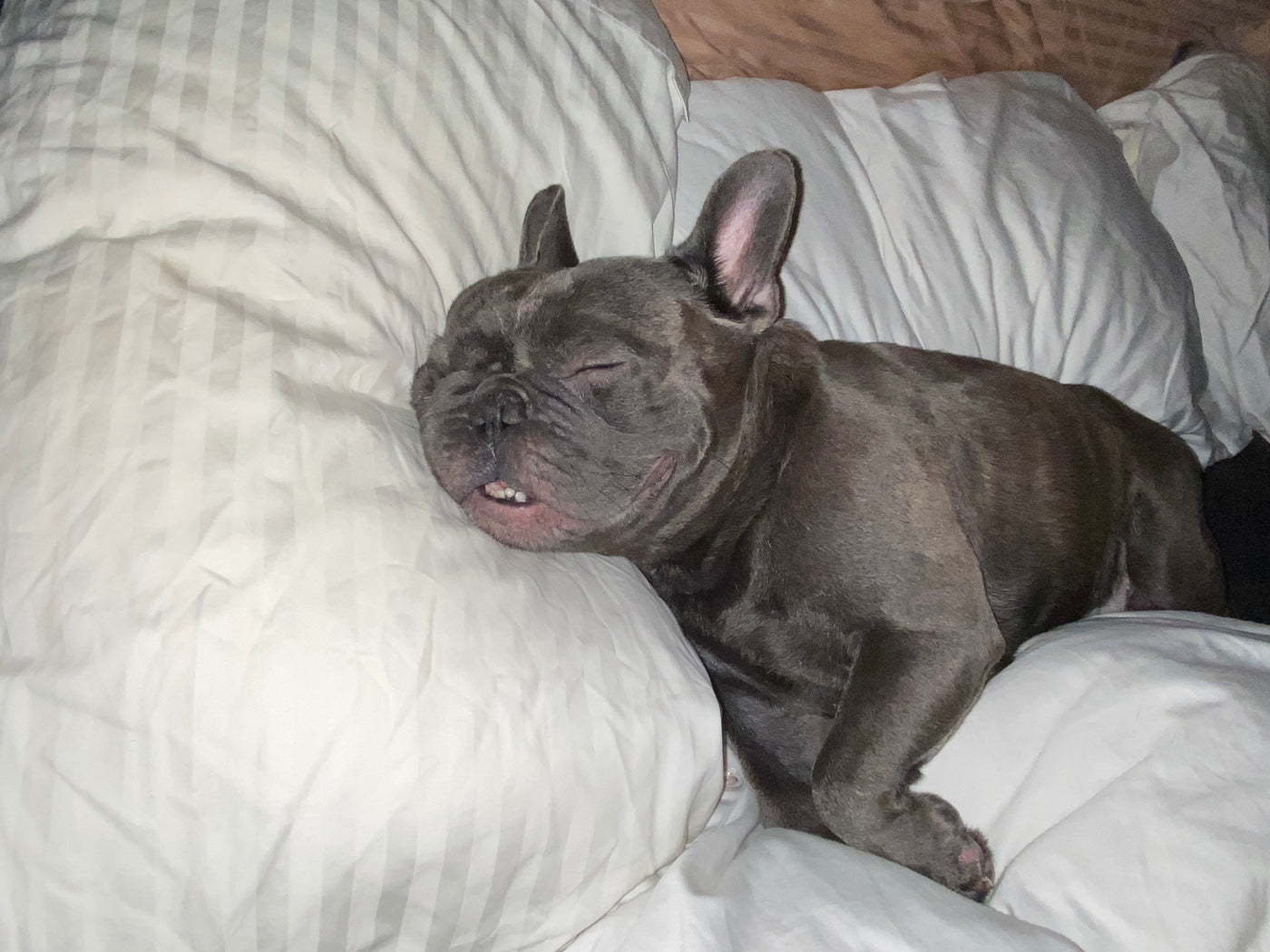
Finding A New Normal
Focus on what your dog can do safely
IVDD can change routines, but it does not automatically remove a dog’s ability to enjoy affection, enrichment, food, outdoor time, play or family life.
Use the veterinary team’s restrictions as the starting point, then adapt the home and daily routine around your dog’s actual abilities. As recovery progresses, ask what can safely be reintroduced rather than assuming every restriction is permanent.
Everyday Setup
Small changes can make daily life easier
Safer footing
Use non-slip mats or runners where your dog regularly walks if smooth flooring causes slipping or hesitation.
Controlled access
Think about sofas, beds, stairs and vehicles. Depending on your dog’s plan, stable ramps, barriers or lifting may reduce unwanted jumps.
Consistent routine
Medication, toilet trips, exercise and rehabilitation are easier to manage when the household follows the same routine.
Healthy body condition
Ask your vet to help maintain an appropriate body condition so mobility is not made harder by unnecessary extra weight.
Mobility Support
Equipment should support the dog—not replace clinical advice
Walking support
Some dogs need temporary support during toilet trips or rehabilitation. Use only equipment and techniques appropriate to your dog’s neurological status.
Harnesses and support slings
A well-fitted harness or rear-support aid can help some dogs, but poor fit or incorrect use can create additional problems. Ask your vet or rehabilitation professional for guidance.
Wheelchairs
For selected dogs with persistent mobility impairment, a correctly fitted mobility cart can support exercise and independence. It is not appropriate for every stage or every dog.
Paw and skin checks
Dogs with altered gait or reduced sensation may scuff paws or develop pressure areas. Check feet, nails and skin regularly and raise concerns with your veterinary team.
Bladder & Toileting
Some dogs need additional bladder support
Neurological injury can affect bladder function. If your dog cannot empty their bladder normally, ask the veterinary team to demonstrate the required technique in person and confirm how often it should be done.
Changes in urine smell, colour, frequency, discomfort, leakage or general wellbeing can warrant veterinary assessment. Do not rely on an online description to learn bladder expression for the first time.
Long-Term Rehabilitation
Recovery can continue beyond the first few weeks
Veterinary physiotherapy
A rehabilitation professional can assess gait, strength and movement and adapt exercises as neurological recovery changes.
Hydrotherapy
Water-based rehabilitation may be useful for selected dogs when the veterinary team believes wounds, neurological status and overall health make it appropriate.
Home exercises
Use exercises prescribed for your dog rather than copying another dog’s programme. Technique, timing and progression matter.
Track meaningful progress
Short videos and simple notes about walking, standing, toileting and comfort can help you and the clinical team see changes over time.
Quality Of Life
Mobility is only one part of a dog’s life
Look for enjoyment
Notice appetite, interest in family, affection, enrichment, outdoor time and the activities your dog still enjoys.
Monitor comfort
Persistent pain, inability to settle, repeated distress or significant changes in behaviour deserve veterinary discussion.
Adapt around function
A dog does not need perfect mobility to have meaningful quality of life. Practical support can preserve independence and participation.
Review when things change
Quality of life is not a one-time judgement. Revisit pain control, mobility support, toileting and daily enjoyment with your vet as needs evolve.
Practical Equipment
Products that can make everyday IVDD care easier
We have grouped practical recommendations for safer movement, comfort, hygiene and mobility, organised by UK and USA availability.
Safer home & movement
Ramps, non-slip surfaces, harnesses and support slings can make everyday movement easier when they are appropriate for your dog.
Rest & comfort
Supportive beds, washable layers and a practical rest setup can make longer-term care more manageable.
Toileting & hygiene
Pee pads, washable bedding and simple cleaning essentials can help when bladder or mobility changes affect daily routines.
Mobility support
For some dogs, carefully chosen mobility aids can support independence. Use your vet or rehabilitation team’s advice to decide what is suitable.
Equipment should support your dog’s individual care plan, not replace veterinary or rehabilitation advice.
Getting Out Again
Travel and care can be planned around IVDD
Car journeys
Use a secure, stable travel setup and minimise uncontrolled jumping in and out of vehicles. Ask your vet about longer journeys during recovery.
Holidays and overnight stays
Choose accommodation where flooring, steps and toilet access can work for your dog’s mobility needs.
Dog sitters and carers
If your dog needs specialist handling, medication or bladder support, make sure the carer is genuinely competent and has clear written instructions and emergency contacts.
Keep an IVDD travel kit
Take medications, support equipment, non-slip bedding, veterinary details and a concise summary of your dog’s history when travelling.
Know The Warning Signs
Previous IVDD does not make new symptoms normal
New spinal pain
Yelping, trembling, a tense posture or reluctance to move can warrant veterinary advice, particularly in a dog with previous IVDD.
Weakness or wobbliness
New neurological changes should not simply be attributed to the old injury. Contact your veterinary team.
Difficulty standing or walking
Sudden loss of function can be urgent. Restrict unnecessary movement and seek prompt veterinary assessment.
Bladder changes
Loss of normal urination or a major change in bladder function should be discussed with a vet promptly.
Quick Answers
Living with IVDD questions
Can a dog live a normal life after IVDD?
Many dogs return to enjoyable, active lives, although their routines and mobility may need adaptation. Long-term expectations depend on the severity of the spinal injury and the individual dog.
Will my dog always need restrictions?
Not necessarily. Restrictions change through recovery and should be reviewed by the veterinary or rehabilitation team. Do not extend strict rest indefinitely without clinical advice.
Can a paralysed dog still have good quality of life?
Mobility impairment alone does not determine quality of life. Comfort, engagement, toileting, skin health, independence and enjoyment all matter. Discuss your dog’s individual needs with the veterinary team.
What if I am scared IVDD will happen again?
Having an emergency plan, knowing the warning signs and making sensible home adaptations can be more useful than trying to eliminate every normal activity. Ask your vet what precautions are appropriate for your dog.
Build the support network around your dog
Find specialist veterinary care and continue with Aubenord’s practical resources for rehabilitation, home setup and day-to-day support.
Trust & safety
Day-to-day adaptation should still follow clinical guidance
This page focuses on practical life systems. For structured quality-of-life decision support, use the separate long-term quality-of-life guide and involve the veterinary team when comfort, function or welfare changes.