


UK RECOMMENDATIONS
Crates, Beds & Recovery Spaces
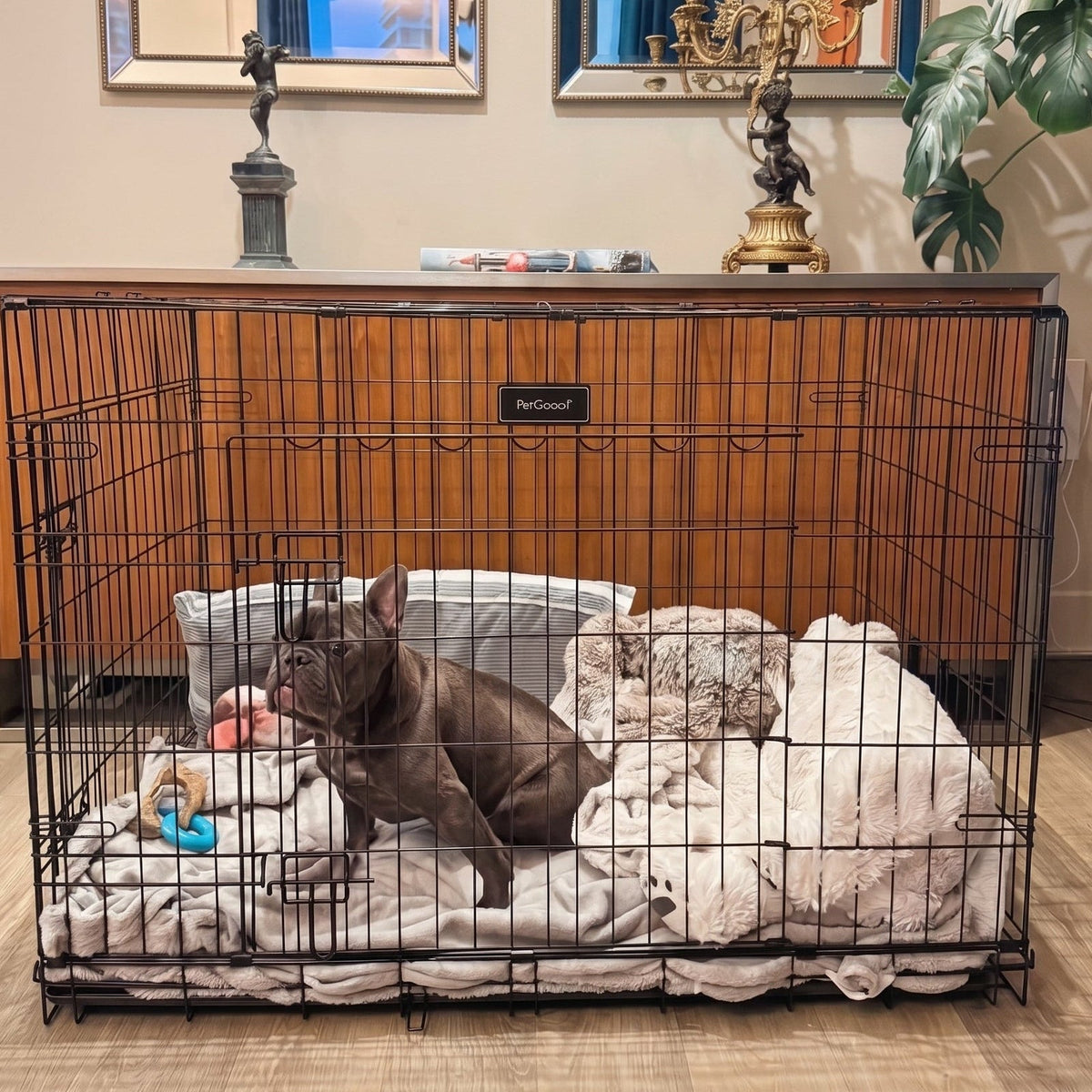
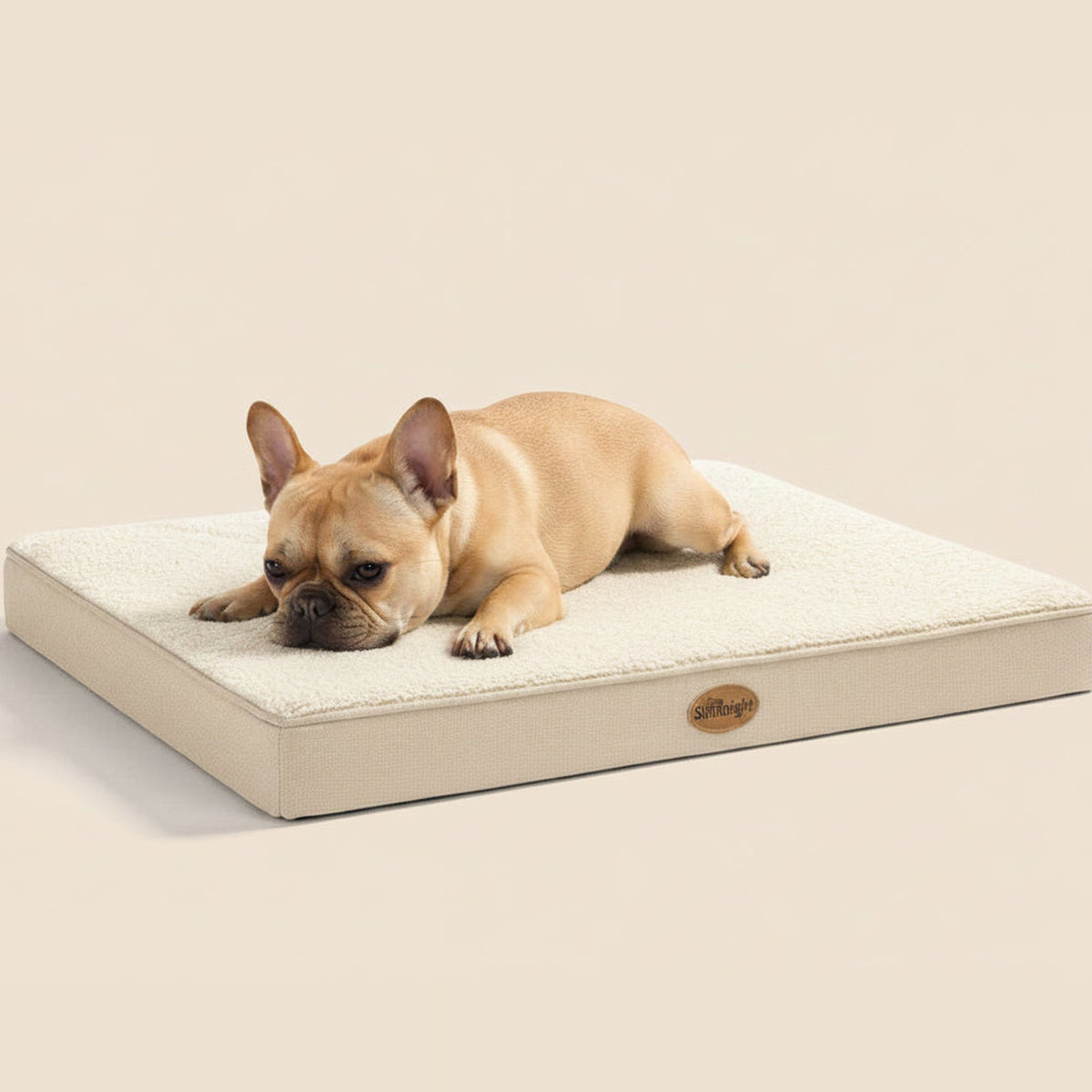
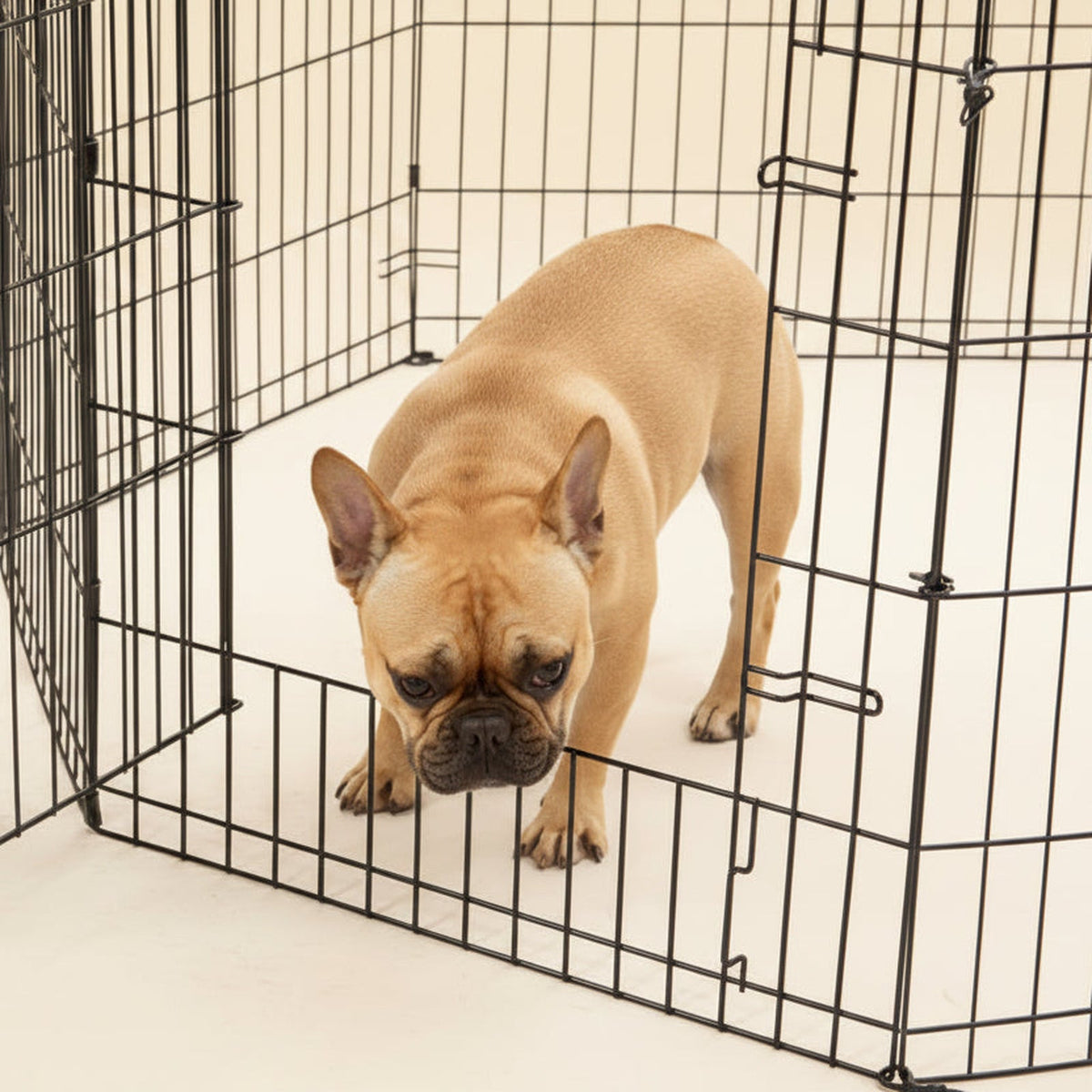
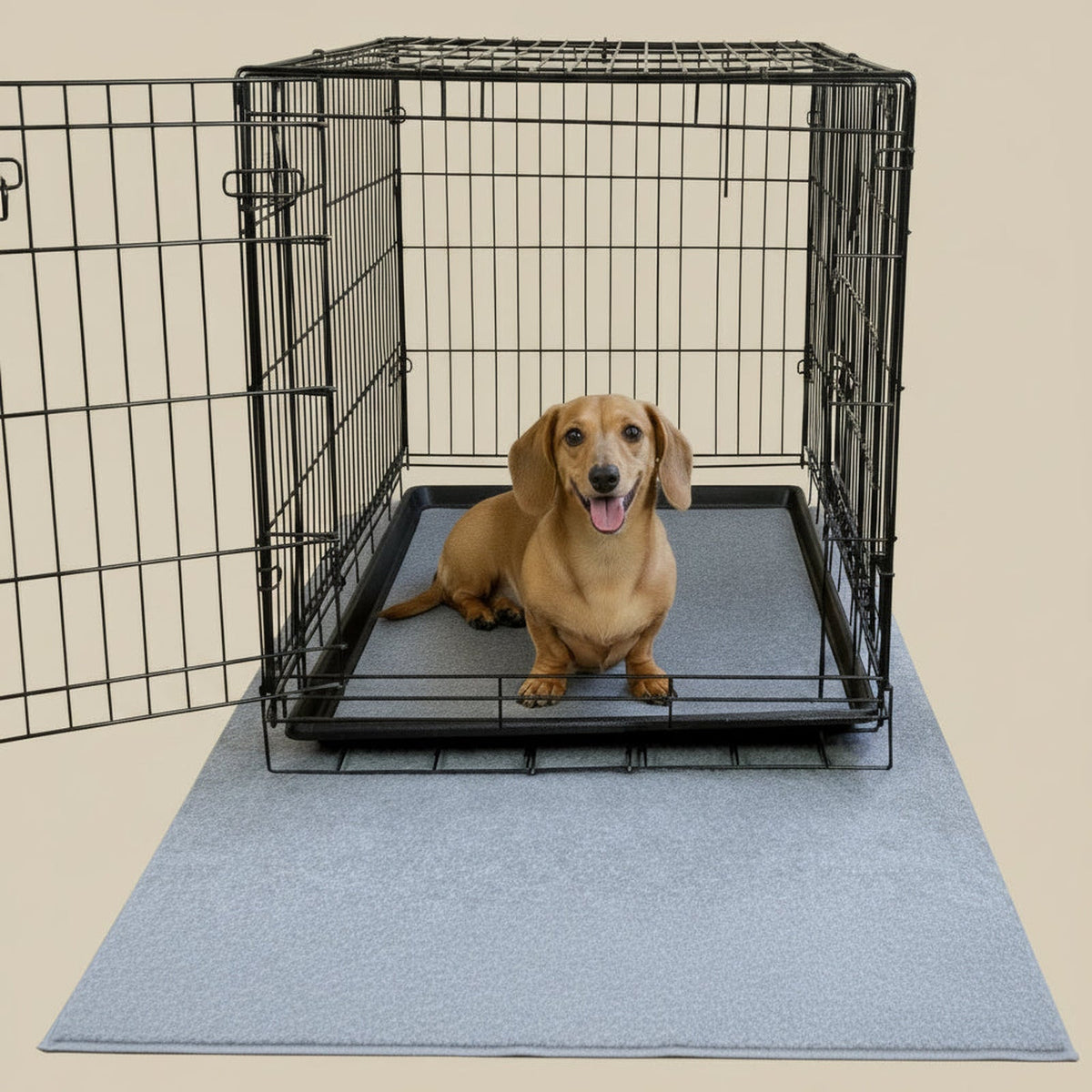
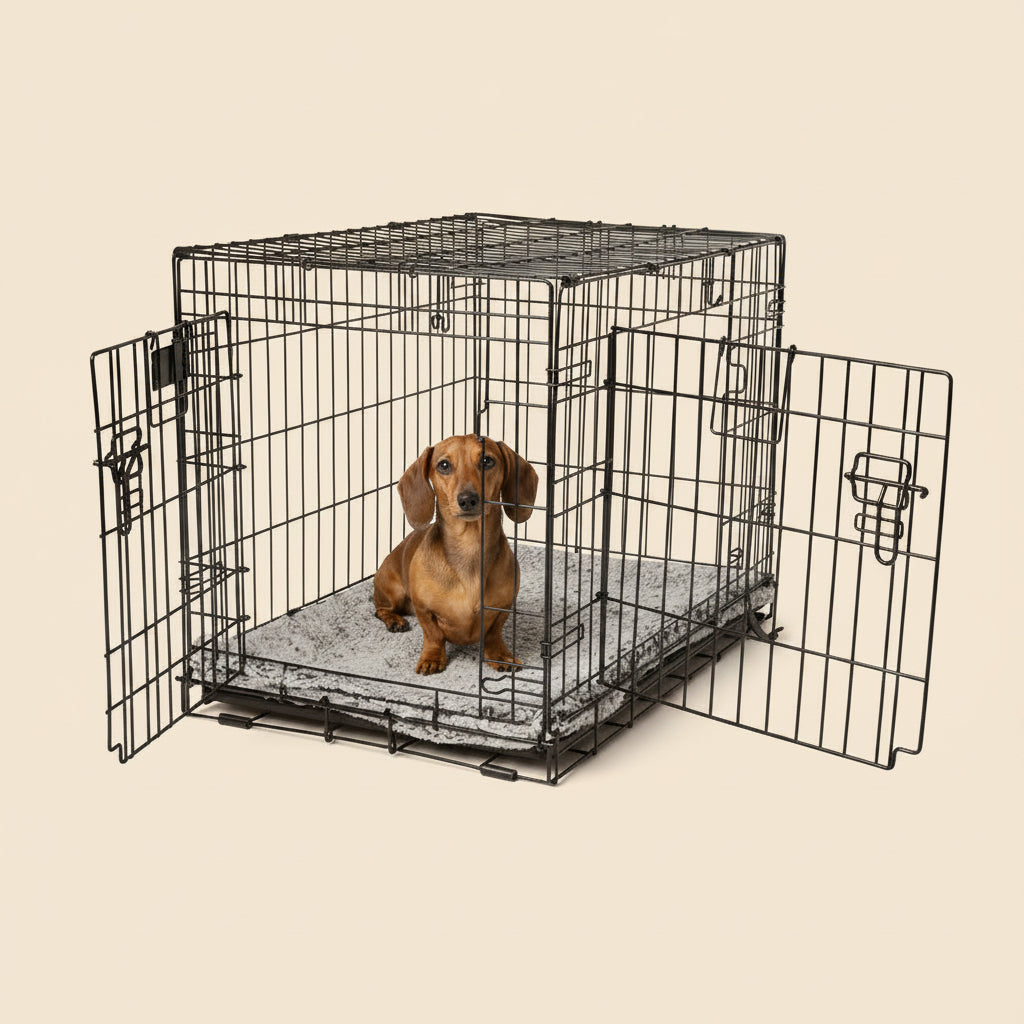
An IVDD recovery space needs to do two jobs at once: limit unsafe movement and make long periods of rest as calm, clean and comfortable as possible. This collection brings together crates, pens, firm supportive mattresses, low-entry bedding and protective floor layers that can help owners build a practical rest area around the treatment plan their veterinary team has prescribed.
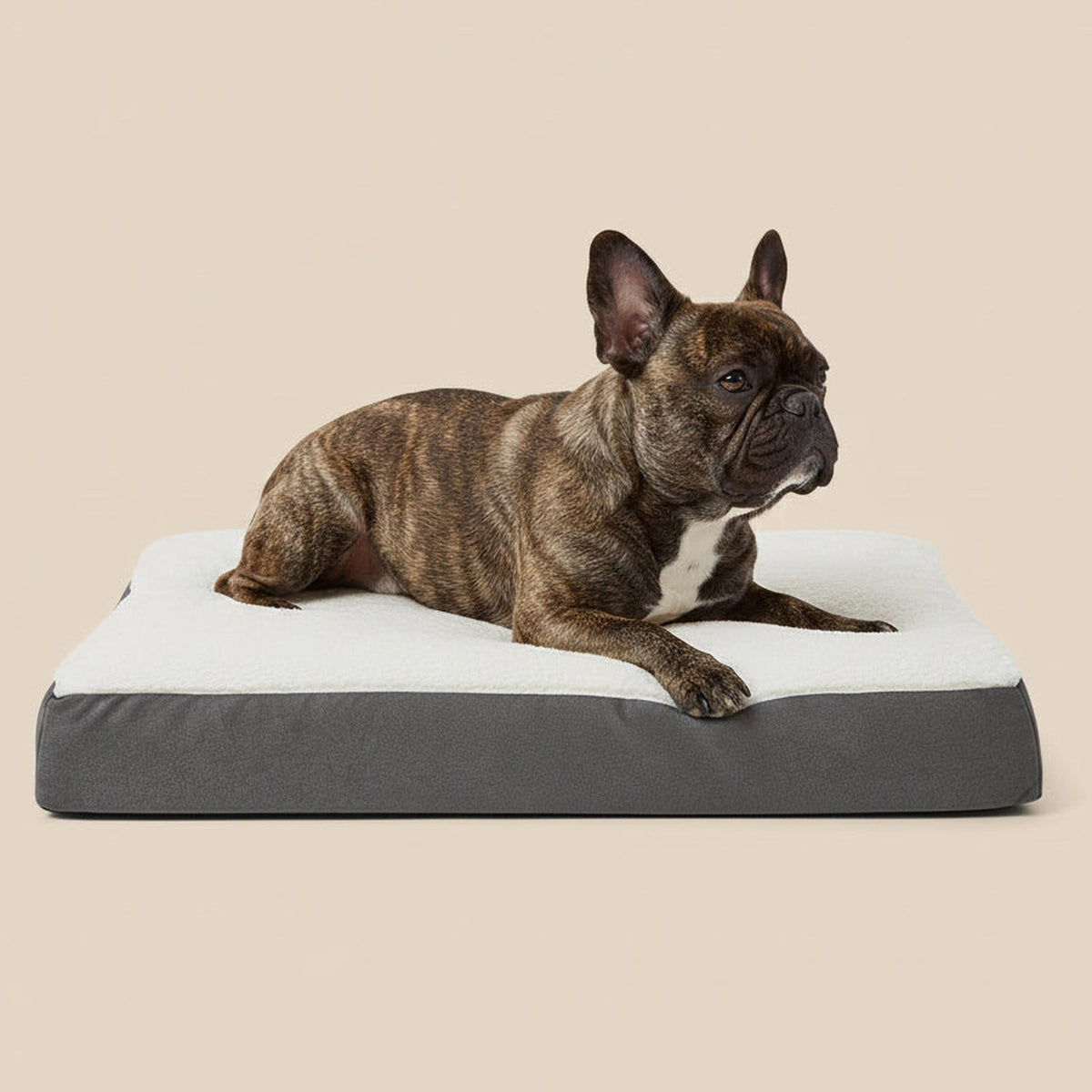
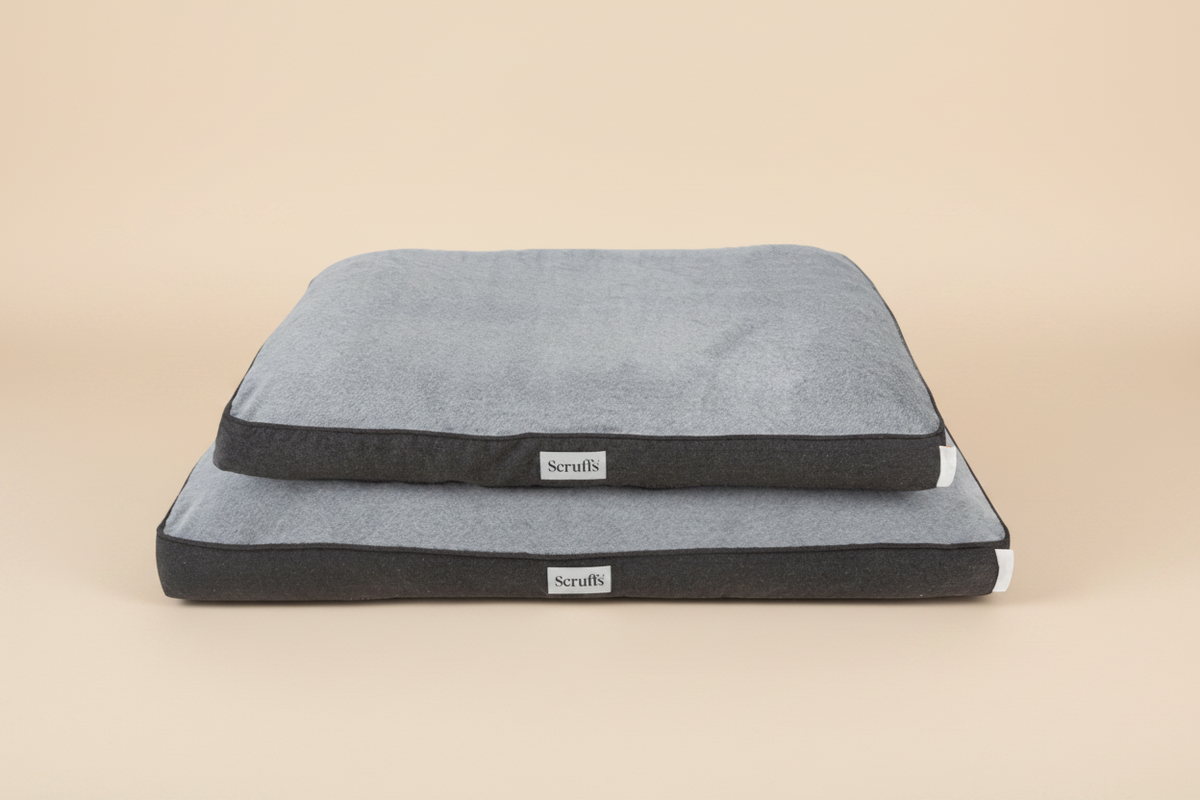
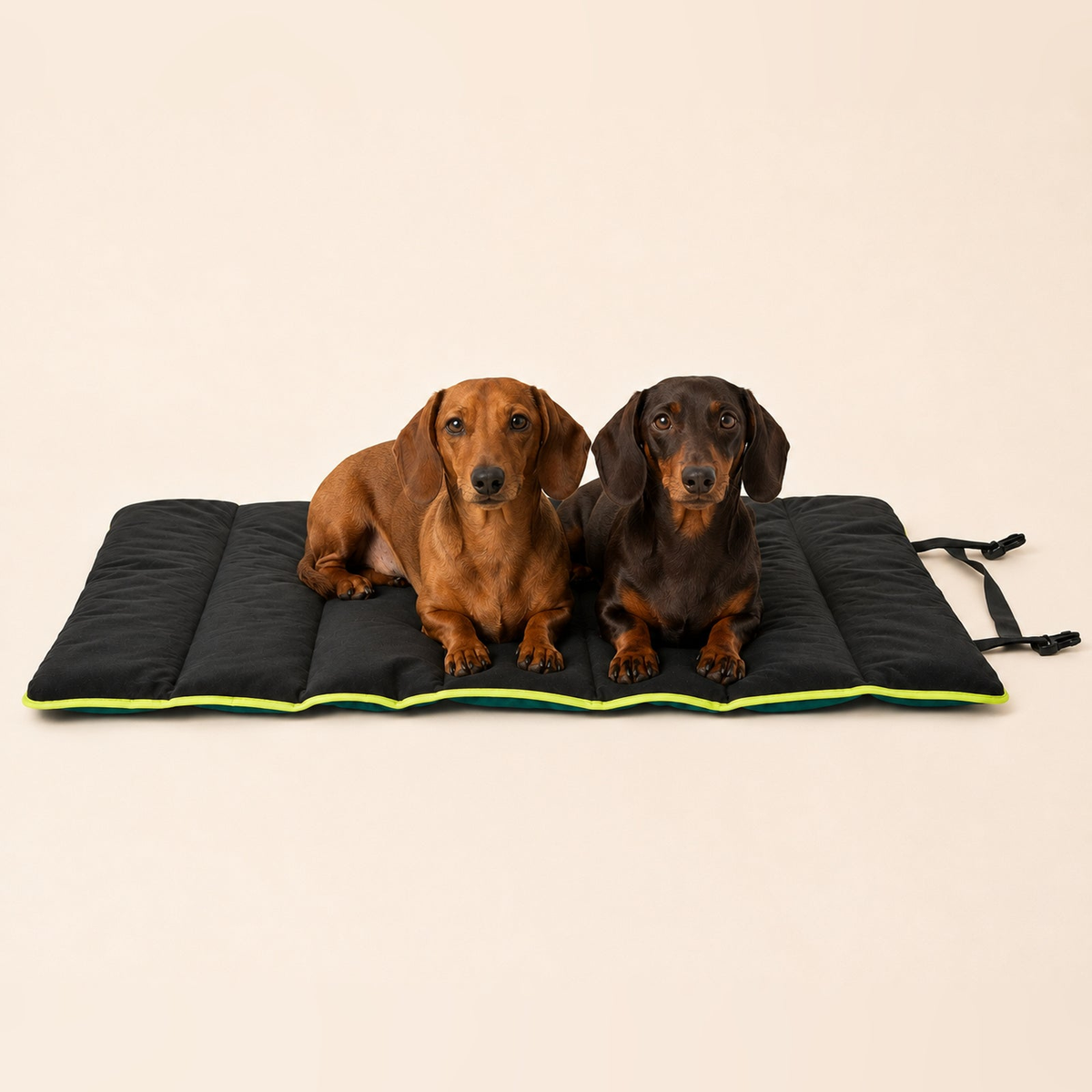
Choose around your dog’s size, current mobility and the exact restriction instructions you have been given. A bed should cushion without creating a high edge that a weak dog must climb over; a crate or pen should allow comfortable lying and turning without encouraging pacing or jumping; and flooring should stay dry and non-slip. The equipment supports recovery routines — it does not determine how much activity is medically appropriate.

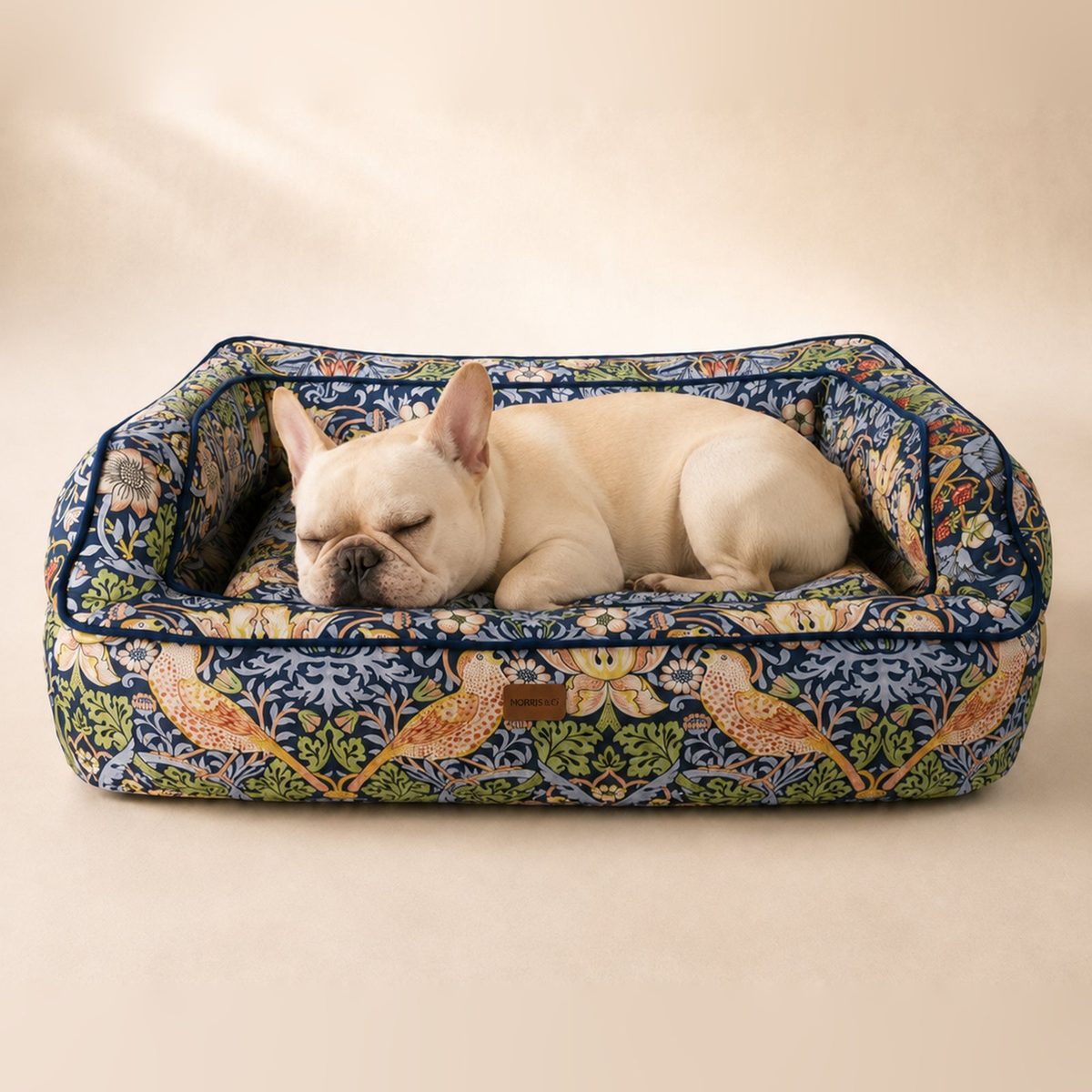

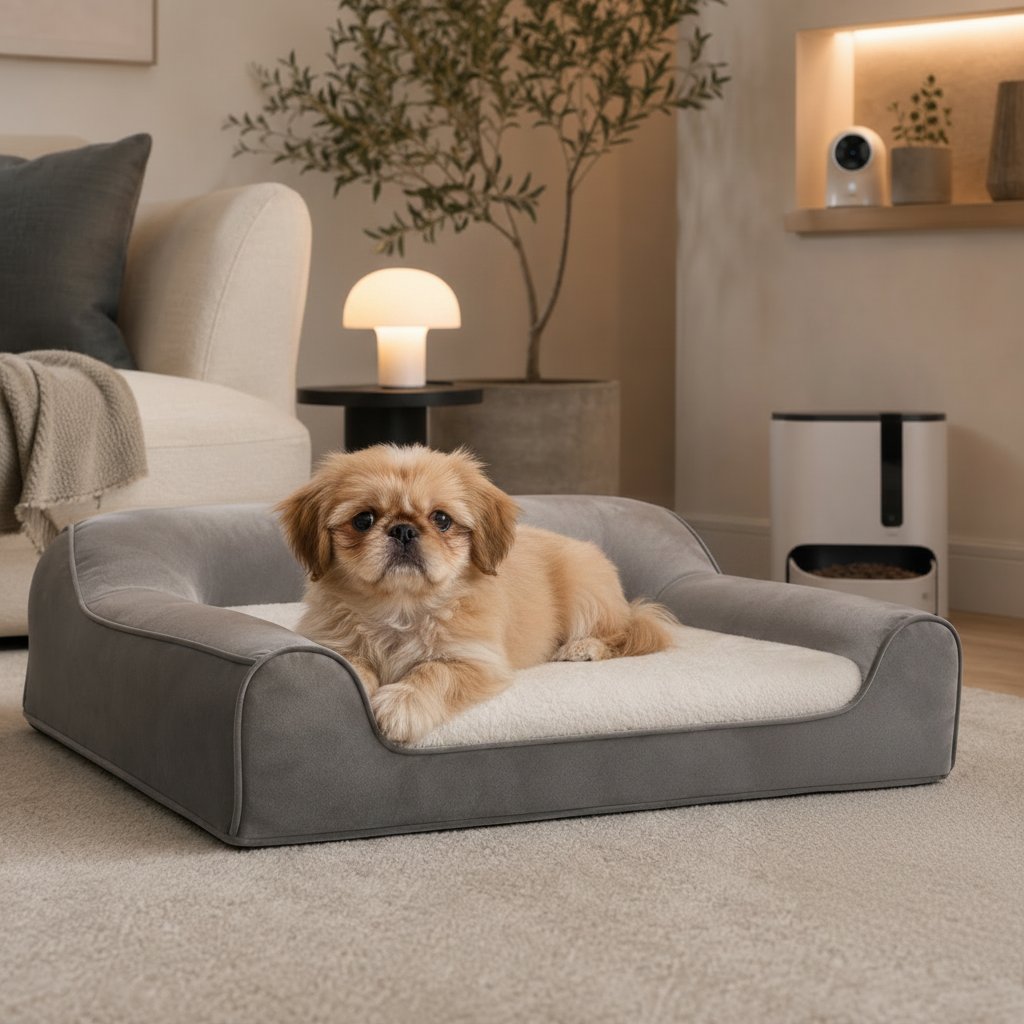
Why these recovery-space picks?
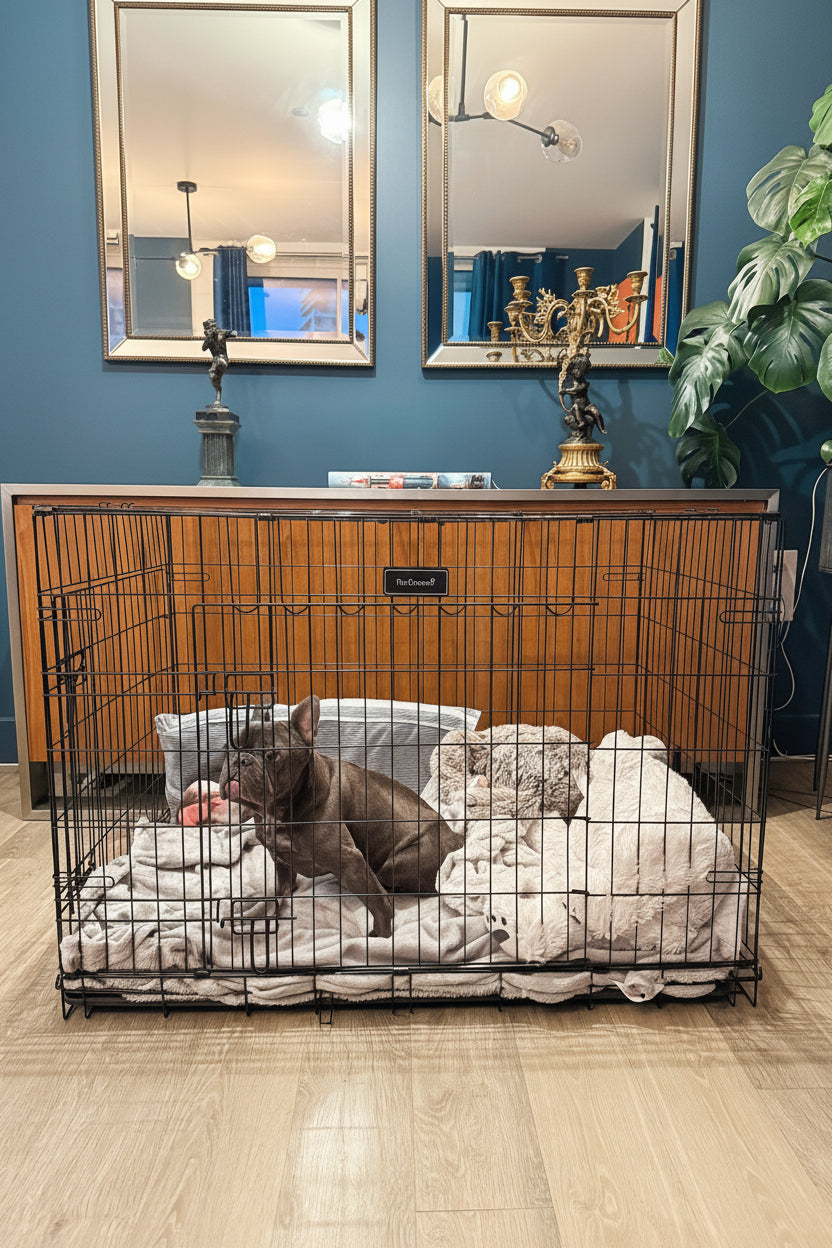
Choose by need